
Finland Market Focus · Winter Headwear Program
Wholesale Winter Hats Manufacturers & Supplier for the Finland Market
An E-E-A-T grounded sourcing dossier for Nordic importers, retail chains and private-label brands — covering Finnish climate requirements, global production reality, thermal material engineering and a modular technical roadmap for winter headwear programs.
Featured Styles · Northern Winter Ready
Four Core Headwear Styles for Finnish Winter Assortments
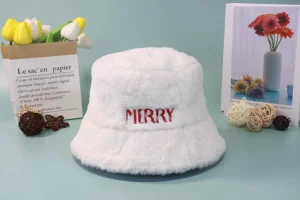
Headwear sold in Helsinki, Tampere, Oulu and Rovaniemi must survive dark, damp, wind-loaded and sub-zero conditions for months at a time. These four anchor styles provide the structural foundation that our production team recommends for Finland-focused buying calendars — from September back-to-school layering to the November–March deep winter peak.
Why Finland Is a Distinct Winter Headwear Market, Not a Generic Cold-Climate Market
Buyers who treat "Nordic" as a single sourcing bucket consistently underperform in Finland. Finland's winter is not simply cold; it is a long, low-sun, high-humidity and wind-exposed season that stretches from October to April in the south and considerably longer in Lapland. Headwear purchasing behaviour is shaped by thermal specificity, functional trust and seasonal calendar alignment rather than fashion cycles alone.
0+Years of OEM / ODM headwear manufacturing
0+Export markets served across six continents
0+Minimum order quantity per design for test programs
0hResponse window on buyer enquiries
The Finnish Winter Sourcing Reality
Finnish consumers and institutional buyers — including outdoor retailers, sports chains, workplace safety suppliers and municipal tender agents — evaluate headwear against a functional checklist rooted in real exposure. Helsinki's coastal climate brings wet, near-freezing conditions with wind chill, whereas Rovaniemi and Saariselkä deliver sustained dry cold well below −20°C. A single beanie specification cannot serve both markets credibly.
That is why experienced importers build tiered winter headwear programs: a merino-rich daily-wear beanie for urban commuters, a fully lined double-layer knit for outdoor work and school use, and a wind-blocking earflap or trapper style for Lapland tourism operators. Our Finnish-market clients typically pair these three tiers with a sun-protection cross-sell for the bright, low-angle Nordic spring glare.
Global and Finnish Winter Headwear Industry: Current Commercial and Industrial Status
The winter headwear category has shifted from a commodity accessory business to a functionally segmented industry. The commercial logic now blends three previously separate disciplines — knitwear manufacturing, performance textile engineering and seasonal retail assortment planning — into a single supplier relationship.
Global Production Consolidation
Knit headwear capacity remains concentrated in China, with secondary hubs in Vietnam, Bangladesh and Turkey. Chinese suppliers retain advantage in complex blends, small-run customization and finishing consistency — the exact capabilities Nordic private-label buyers require.
Finnish Retail Structure
Finland's headwear market is served by a compact but demanding retail landscape: national outdoor chains, department stores, sports retailers, workplace safety distributors and a strong tourism-gift channel in Lapland. Purchase decisions favor proven functional claims over trend messaging.
Public Procurement Demand
Municipal, school and occupational health procurement in Finland specifies headwear through structured tenders. Suppliers must document material composition, dimensional tolerances and repeatable quality — a documentation capability that separates serious manufacturers from trading intermediaries.
Seasonal Demand Curve
Finnish winter headwear demand begins climbing in late August, peaks between November and January, and holds through March in northern regions. Production planning must reverse-engineer from a September vessel departure to protect the retail window.
Certification and Compliance
European buyers increasingly require OEKO-TEX Standard 100 evidence, AZO-free dye declarations and fiber-content traceability. Compliance documentation is now a competitive advantage, not administrative overhead.
Tourism-Driven Demand
Lapland's winter tourism industry sustains bulk demand for expedition-grade headwear rented or resold to visitors. Operators value durability, washability and consistent sizing far more than seasonal fashion relevance.
Industry Development Trends Reshaping Winter Headwear Sourcing
The following directional shifts are observed in current Finnish and broader Nordic buying behaviour. For manufacturers, each trend represents a capability requirement rather than a marketing theme.
Performance Fiber Migration
Buyers are moving from pure acrylic toward merino-acrylic and recycled-poly blends that balance warmth-to-weight ratio with cost predictability.
Double-Layer Construction
Double-knit and fully lined styles reduce wind penetration and improve thermal retention without adding visible bulk — a key Finland market preference.
Function-First Design Language
Simple silhouettes with visible functional detail (ear coverage, cuff architecture, hidden seams) outperform decorative styling in Nordic retail sell-through.
Localized Application Scenarios Across Finnish Geographies
Finland is not a homogenous market. Effective winter headwear assortment planning maps specific product specifications to specific regional use cases.
Helsinki & Southern Urban Commuting
Wet-cold, windy coastal winters with limited daylight. Prioritize merino-blend beanies with high-vis reflective knit accents, streamlined silhouettes and colorways aligned with Nordic minimalist wardrobes.
Lapland Tourism & Expedition Operators
Sustained −20°C to −30°C exposure. Demand fully lined double-layer knits, earflap or trapper structures, moisture-managed linings and rental-grade durability with consistent sizing across repeated bulk replenishment.
Occupational and School Procurement
Tender-driven volumes where specifications, compliance documentation and dimensional tolerances are contractual. Neutral colorways, uniform sizing and reliable repeat-order quality are decisive.
Outdoor Sports and Ski Retail
Performance-led buyers expect defined thermal claims, wind-resistance characteristics and moisture management. Technical detailing and verified material sourcing differentiate premium price points.
Gift and Souvenir Channel
Lapland destination retail rewards distinctive Nordic motifs, compact packaging and seasonal holiday presentation, while still requiring genuine thermal utility.
Spring Sun-Protection Cross-Sell
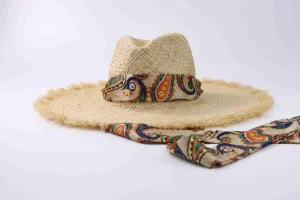
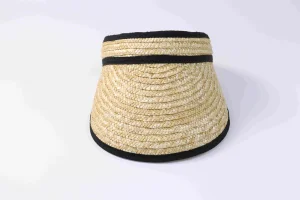
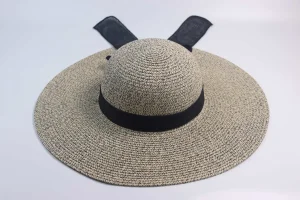
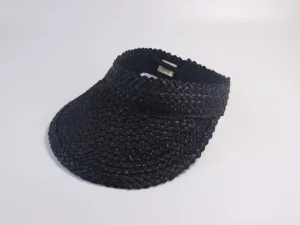
Finland's late-winter snow reflection and bright spring light create genuine demand for visors and wide-brim sun hats — an ideal companion category for winter headwear suppliers.
Technical Roadmap for Winter Headwear Programs: From Fiber to Finland Shelf
A credible wholesale winter hat supplier is ultimately a production engineer. The following four-stage technical roadmap reflects how our manufacturing team structures Finland-bound winter headwear development.
STAGE 01
Material Selection and Blending
Merino, acrylic, recycled polyester and elastane are specified by thermal target and wind exposure. Blending ratios are tuned for warmth retention, breathability and shape recovery.
STAGE 02
Knitting Architecture and Gauge
Gauge, stitch structure and double-layer construction determine wind resistance and warmth-to-weight ratio. Rib structures focus on elastic recovery for repeated wear and washing.
STAGE 03
Finishing, Lining and Functional Detail
Lining selection, ear-flap shaping, reflective yarn placement and cuff finishing are applied. Seam construction is sealed where wind penetration is a concern.
STAGE 04
Testing, Compliance and Cold-Chain Validation
Thermal testing, dimensional stability checks, wash-cycle evaluation and material certification are completed before production approval and before any Finland-bound shipment is scheduled.
Macro Industry Solution Matrix: Matching Product to Finnish Requirement
Use this decision matrix to align winter headwear specification with the operational requirement, not only with the visual style brief.
| Requirement Driver | Recommended Construction | Material Direction | Key Commercial Benefit |
|---|---|---|---|
| Urban daily commuting | Single-layer knit beanie, reflective accents | Merino-acrylic blend | Warmth with a refined Nordic look |
| Deep-cold outdoor work | Double-layer lined beanie, enhanced ear coverage | Merino with technical lining | Retained heat under prolonged exposure |
| Lapland tourism operations | Trapper or earflap structure, wind-blocking finish | Recycled poly + fleece lining | Rental-grade durability and washability |
| Institutional / tender procurement | Standardized unisex knit with uniform sizing | Acrylic and recycled blend | Repeatable quality with compliance records |
| Sports and ski retail | Moisture-managed technical knit | Merino + elastane performance blend | Verified functional claims at premium margin |
| Spring sun-protection cross-sell | Packable visor or wide-brim sun hat | Raffia or paper straw | Season-extension revenue for retail partners |
Future Outlook: Where Winter Headwear Manufacturing Is Heading
The next three to five years will reward manufacturers who can combine material innovation, documentation transparency and agile small-batch responsiveness. Three directions stand out.
Traceable Natural Fibers
Merino sourcing transparency and regenerative fiber programs will become purchasing prerequisites rather than optional credentials, driven by EU due-diligence expectations.
Digital Product Passports
Structured product data — composition, care, origin and compliance — will accompany SKUs digitally, making documentation capability a direct route into European retail listings.
Small-Batch Seasonal Agility
Nordic retailers are reducing upfront depth and reordering winners. Suppliers with low minimums, fast sampling and reliable replenishment will capture the most durable contracts.
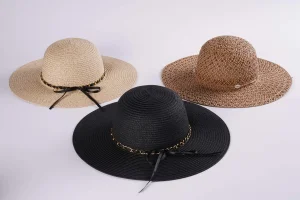
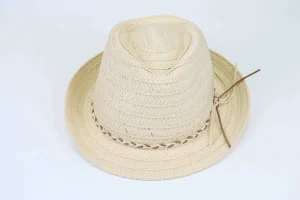
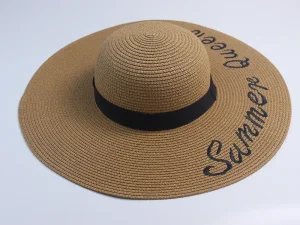
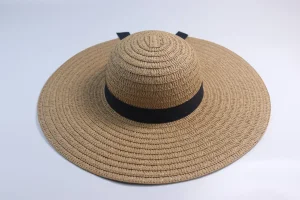
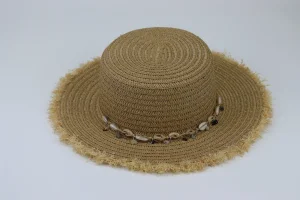
Extended Range: Additional Wholesale Headwear for Nordic Buyers
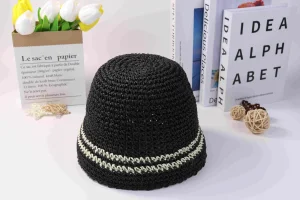
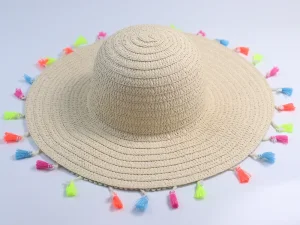
Beyond core winter headwear, our production range supports complete Finland assortments — from spring sun protection to summer resort and gift lines — under a single supply relationship.
Buyer Q&A: Wholesale Winter Hats for the Finland Market
What is the minimum order quantity for wholesale winter hats for Finland?
Our starting quantity is typically 50 to 100 pieces per design, depending on material, knit structure and finish. This is deliberate: Nordic retailers frequently test winter styles before committing to full seasonal depth, and low minimums let Finnish importers validate sell-through without overstock risk.
Which winter hat styles are most relevant for the Finnish climate?
Three structural families dominate: merino-blend daily beanies for urban commuting, double-layer lined knits for outdoor work and school use, and wind-blocking earflap or trapper styles for Lapland tourism and deep-cold operations. Each must be specified for wind resistance and moisture management, not merely thickness.
Can winter hats be customized with our brand logo and packaging?
Yes. OEM and ODM production is our core business. We customize knit structure, blend composition, size grading, colorways, cuffs and linings, and add branding through woven labels, patches, embroidery and hang tags. Our design team can also develop new structures from your reference samples or mood board.
How should I plan production timing for a Finnish winter season?
Work backwards from the retail window. Finnish winter headwear demand rises in late August and peaks between November and January. Production should be confirmed in spring so that sea freight departs by early-to-mid summer, ensuring stock availability before the autumn retail reset.
What compliance documentation can you supply for European buyers?
We can provide fiber composition declarations, dye and finishing compliance information aligned with OEKO-TEX Standard 100 expectations, dimensional tolerance records and inspection documentation. For tender-based procurement, we support structured specification matching so that contractual requirements are traceable to production records.
Do you also supply non-winter headwear for Nordic assortments?
Yes. Beyond winter hats, we manufacture straw hats, paper hats, sun visors, wide-brim floppy hats, fedoras, boaters, cowboy styles, children's hats, toy hats, lifeguard hats, straw bags and paper bags. This allows a single Finland-focused supplier relationship to cover the entire annual headwear and accessory calendar.
How quickly does your team respond to sourcing enquiries?
We respond and take action within 8 hours, covering material questions, sampling plans, order follow-up and after-sales service. A dedicated contact manages each account so that winter program timelines remain predictable from first brief to container departure.
Build Your Finland Winter Headwear Program With a Manufacturer, Not a Middleman
Send us your target thermal performance, style references, quantity plan and destination region. Our team will respond within 8 hours with material recommendations, a sampling roadmap and a production timeline engineered around the Nordic retail calendar.